|

How Great Leaders Address Difficult Conversation
Most leaders don't avoid accountability because they don't care. They avoid it because they care deeply.
They don't want to damage relationships. They don't want to embarrass someone or create conflict. They worry about saying the wrong thing, so they often say nothing at all.
Unfortunately, when accountability is avoided, frustration quietly grows. Expectations become unclear, trust begins to erode, and the very relationships we're trying to protect often become strained.
The most effective leaders understand that accountability isn't about punishment.
 It's about helping people succeed. It's about helping people succeed.
Start with Curiosity, Not Assumptions
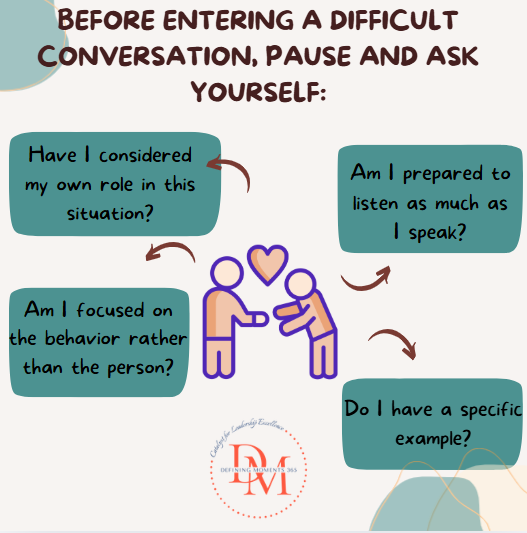
Before entering a difficult conversation, pause and ask yourself a few questions:
- Am I focused on the behavior rather than the person?
- Do I have a specific example?
- Have I considered my own role in this situation?
- Am I prepared to listen as much as I speak?
When we begin with curiosity instead of judgment, we create space for understanding rather than defensiveness.
Sometimes what appears to be a lack of effort is actually a lack of clarity, confidence, or support.
Focus on What Happened
One approach I often encourage leaders to use is keeping feedback grounded in facts instead of opinions.
Instead of saying:
"You're unreliable."
Describe what you observed.
What happened?
When did it happen?
How did it affect the team, project, or client? This shifts the conversation away from personal criticism and toward shared problem solving. People are much more likely to engage when they don't feel attacked.
Accountability Is a Conversation, Not a Confrontation
One of the biggest misconceptions about accountability is that it happens in one difficult meeting. In reality, accountability is built through many small conversations. Sometimes all that's needed is a simple observation.
"I noticed something seemed different this week. Is everything okay?"
Other times, the conversation becomes more direct.
"We've talked about this a few times. Let's figure out what's getting in the way."
If expectations continue to go unmet, leaders eventually need to establish clear boundaries and communicate consequences. Healthy accountability isn't about escalating quickly. It's about responding appropriately while preserving dignity and respect.
Choose Language That Invites Conversation
The words we choose matter. Compare these two approaches:
"This isn't acceptable."
versus
"Help me understand what happened."
One immediately creates defensiveness. The other invites ownership. Kindness and accountability are not opposites. In fact, they often work best together.
Pause. Listen. Lead.
As I've shared before, one of the greatest leadership skills is listening. Accountability conversations are no different.
Before responding, pause.
Listen for understanding.
Ask thoughtful questions.
Try to understand what may be happening beneath the surface before jumping to conclusions. Some of the most meaningful leadership conversations begin not with a solution, but with genuine curiosity.
Reflection
Think about a conversation you've been avoiding. Is it because you're afraid of creating conflict? Or because you haven't found the right approach? This week, challenge yourself to have one courageous conversation with empathy, clarity, and respect.
You may discover that accountability, when rooted in care, doesn't weaken relationships. It strengthens them.
Sheeba Varghese
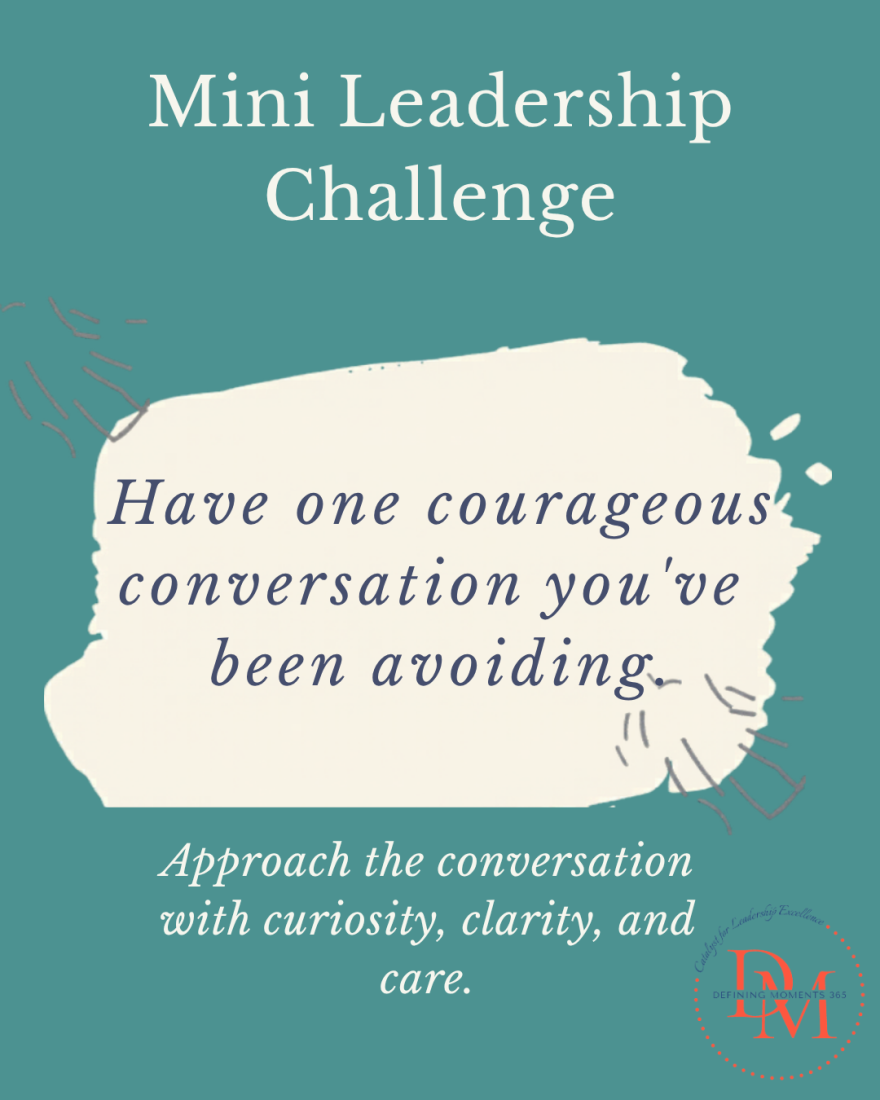
Leadership Challenge:
The conversations we avoid are often the ones that have the greatest potential to create clarity, strengthen trust, and support meaningful growth. This week, choose one conversation you have been putting off and approach it with courage and intention. Lead with curiosity, listen without rushing to respond, and communicate with both honesty and care.
Leadership Resource: Crucial Conversations book
by Kerry Patterson, Joseph Grenny, Ron McMillan & Al Switzler
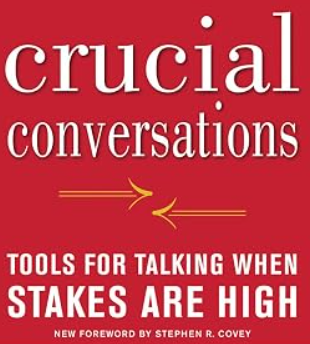
This is a wonderful resource and helpful read on navigating difficult conversations with confidence and respect. Crucial Conversations offers practical strategies for staying calm under pressure, communicating clearly, and creating dialogue, even when emotions are high or opinions are different. It's an excellent resource for leaders who want to address challenges while strengthening relationships and building trust.
Leadership Spotlight: Heman Bekele
At just 15 years old, Heman Bekele was named TIME's 2024 Kid of the Year for his innovative work developing a low-cost soap designed to help make skin cancer treatment more accessible. Inspired by the belief that lifesaving care should be available to everyone, Heman created a solution that could one day make a meaningful difference around the world. (Photo source: www.Time.com)

His story is a powerful reminder that leadership isn't defined by age or title. It doesn't matter if you're young or old, you can make a difference and be a leader in this world. Heman taught us that it begins with seeing a need, asking thoughtful questions, and having the courage to pursue an idea that can help others.
Today, Heman continues to develop his innovative idea while balancing life as a high school student in Virginia. Working alongside mentors and researchers, he is refining his concept and exploring the steps needed to one day bring his skin cancer treatment soap closer to reality.
As leaders, we can all learn from Heman's example: when we lead with purpose and a desire to serve, even one idea has the potential to create lasting impact. Read more about his story here.
 Sheeba Varghese is a strategic partner for your talent development solutions and the author of Confidence, Clarity & Ease: A Guide For Emerging Leaders To Thrive. Her passion is to inspire and equip men and women to lead with excellence and authenticity within the spheres of influence that they are called to impact in life. The spheres may be in a home, on a team, in a classroom, among partners in a firm, or within management, to name a few. Sheeba Varghese is a strategic partner for your talent development solutions and the author of Confidence, Clarity & Ease: A Guide For Emerging Leaders To Thrive. Her passion is to inspire and equip men and women to lead with excellence and authenticity within the spheres of influence that they are called to impact in life. The spheres may be in a home, on a team, in a classroom, among partners in a firm, or within management, to name a few.
Sheeba works with:
Senior Leaders and professionals who want to develop stronger leadership skills, have impact, and move forward in their careers
Teams who want to work cohesively within their organizations
Coaches who want to renew or apply for certification with ICF
If you want to improve your leadership skills, transition from managing to leading, ensure your team is amazingly successful, increase your self-awareness, and progress your career, or aspire to be a masterful coach for your clients, then Sheeba would love to support you. She works with clients globally, both face-to-face, by phone, or by Zoom.
In her time apart from clients, Sheeba enjoys time with her husband, Santosh, and their 2 sons, Sam and Steven. She loves great movies, a good book, decorating, and dining at the wonderful restaurants in the Bay Area.
| 