|

Making Performance Reviews Meaningful
Turning an Annual Requirement Into a Leadership Opportunity
For many employees, the words performance review bring a certain amount of anxiety.
For leaders, they can bring pressure too.
How do you acknowledge what is going well while addressing what needs to improve? How do you give honest feedback without discouraging someone? And how do you make the conversation meaningful rather than simply working through a required form?
A performance review can easily become something both people want to get through.
But it can also become one of our most valuable leadership conversations.
A Review Shouldn't Be a Surprise
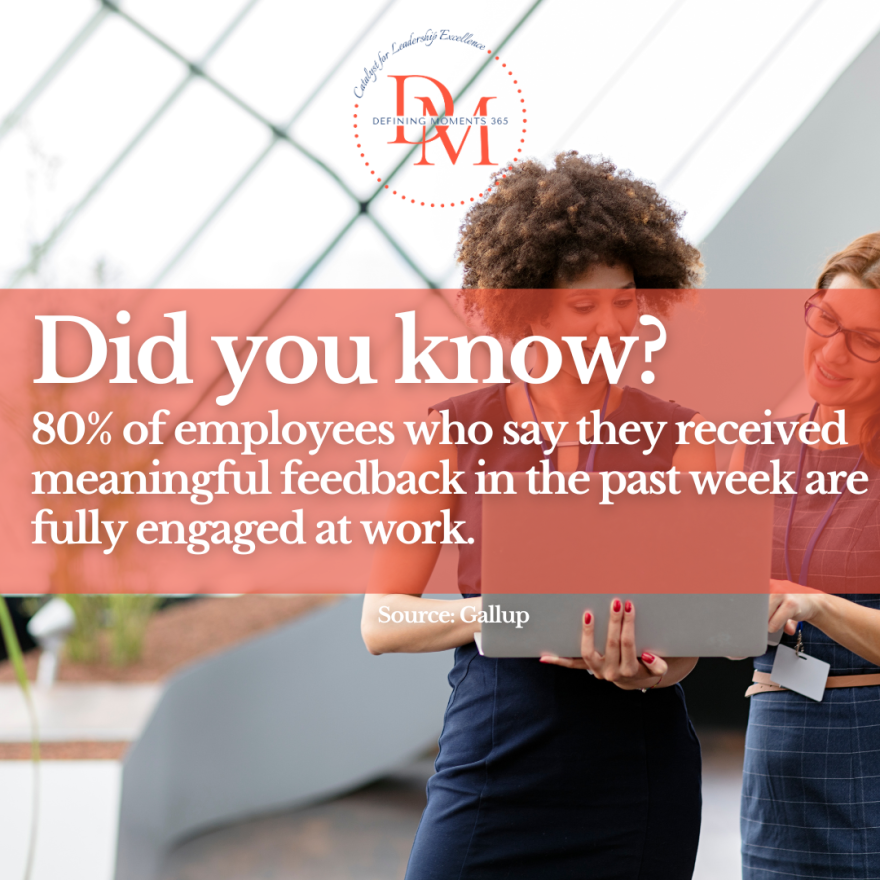 One of the most important principles of an effective performance review is simple: there should be very few surprises. One of the most important principles of an effective performance review is simple: there should be very few surprises.
If an employee is hearing about a significant performance concern for the first time during an annual review, we may have missed opportunities to communicate throughout the year.
Feedback is most helpful when it happens close to the moment. Recognize great work when you see it. Address concerns before they become patterns. Ask questions. Check in on goals.
When communication happens consistently, the formal review becomes less about delivering a verdict and more about reflecting together on progress.
Start With Curiosity
It can be tempting for leaders to enter a performance review prepared to do most of the talking.
Instead, create space for the other person to reflect.
Ask:
What are you most proud of from this year?
Where do you feel you've grown?
What has been challenging?
Where would you like to develop next?
What support do you need from me?
You may learn something you wouldn't have discovered by simply moving down a list of evaluation criteria. Performance conversations shouldn't only happen to employees. They should happen with them.
Be Clear and Specific
Compassion and clarity belong in the same conversation.
Telling someone, "You need to communicate better," doesn't give them much direction.
Instead, share specific observations and explain their impact. What happened? Why did it matter? What could look different moving forward?
The same applies to positive feedback.
Instead of simply saying, "You're doing a great job," tell someone what they are doing well and why it matters.
Specific feedback helps people understand which behaviors they should continue and which ones they have an opportunity to change.
Look Forward, Not Just Backward
The word review naturally directs our attention toward the past, but some of the most important parts of the conversation should focus on the future.
Where does this person want to grow?
What skills would they like to develop?
What new responsibilities might challenge them?
What does success look like over the next six months or year?
This is where a performance review can shift from evaluation to development.
As leaders, our responsibility isn't simply to assess performance. It is also to help people recognize their strengths, understand their opportunities for growth, and see what might be possible next.
Don't Forget to Listen
Perhaps the most important part of a meaningful performance review is also one of the simplest: listen.
Pause before responding.
Pay attention to what is being said and what may be underneath it.
A performance review may reveal aspirations, frustrations, obstacles, or ideas that have never surfaced in everyday conversations.
When people know they can speak honestly and be heard, the conversation becomes much more than a review. It becomes an opportunity to strengthen the relationship.
Make It a Conversation Worth Having
Performance reviews will always involve evaluating goals, responsibilities, and results. But they can be so much more than a rating on a page.
They can create clarity. They can recognize progress. They can uncover potential. They can strengthen trust.
And they can help someone leave the conversation with a clearer understanding of where they have been, where they are going, and how you will support them along the way.
The next time you prepare for a performance review, don't just ask: "How did this person perform?"
Also ask: "How can this conversation help them grow?"
That small shift can transform a required meeting into a meaningful leadership moment.
Sheeba Varghese
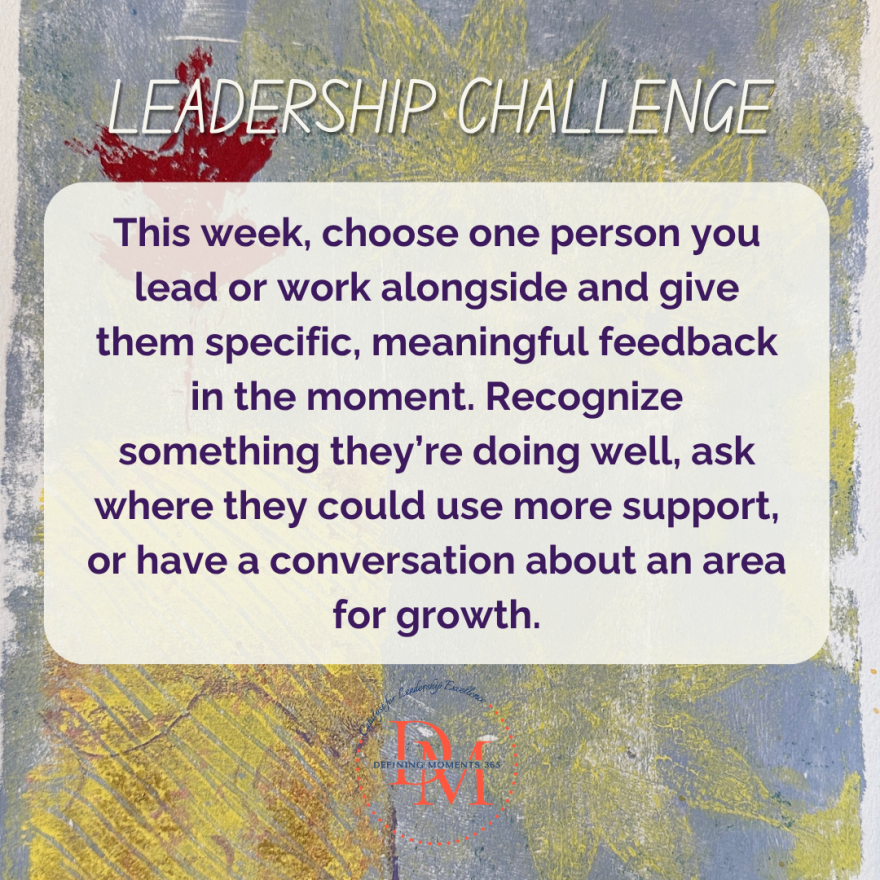
Leadership Challenge:
Meaningful feedback doesn’t have to wait for a scheduled performance review. In fact, some of the most valuable feedback happens in the everyday moments when we take time to notice, encourage, ask questions, and offer guidance. This week’s challenge is an opportunity to make feedback part of the way you lead, not simply something you save for an annual conversation.
Leadership Resource: Thanks for the Feedback
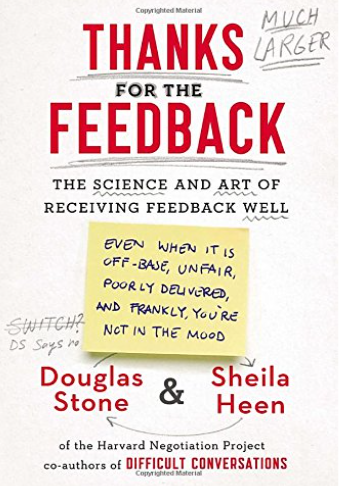
In Thanks for the Feedback, Douglas Stone and Sheila Heen explore something we all experience but don’t always know how to navigate: receiving feedback. The book looks at why feedback can sometimes make us defensive, how to separate useful insight from the way it is delivered, and how we can become more open to learning from what others have to say.
It’s a great reminder that meaningful performance conversations require both sides of the equation: leaders who know how to give thoughtful feedback and people who are willing to receive it with curiosity.
Leadership Spotlight: José Andrés
Chef and humanitarian José Andrés is a powerful example of what it means to lead through action. In 2010, he founded World Central Kitchen after a devastating earthquake struck Haiti, with a simple idea: provide nourishing meals to people when they need them most. Since then, the organization has served communities affected by hurricanes, wildfires, wars and other crises around the world.

What makes José’s story so inspiring is his willingness to step toward a problem rather than wait for someone else to solve it. His work reminds us that leadership is not always about having the perfect plan or the biggest title. Sometimes, it is about recognizing what you can offer, showing up, and using your gifts to serve others.
Read more about his life here!
 Sheeba Varghese is a strategic partner for your talent development solutions and the author of Confidence, Clarity & Ease: A Guide For Emerging Leaders To Thrive. Her passion is to inspire and equip men and women to lead with excellence and authenticity within the spheres of influence that they are called to impact in life. The spheres may be in a home, on a team, in a classroom, among partners in a firm, or within management, to name a few. Sheeba Varghese is a strategic partner for your talent development solutions and the author of Confidence, Clarity & Ease: A Guide For Emerging Leaders To Thrive. Her passion is to inspire and equip men and women to lead with excellence and authenticity within the spheres of influence that they are called to impact in life. The spheres may be in a home, on a team, in a classroom, among partners in a firm, or within management, to name a few.
Sheeba works with:
Senior Leaders and professionals who want to develop stronger leadership skills, have impact, and move forward in their careers
Teams who want to work cohesively within their organizations
Coaches who want to renew or apply for certification with ICF
If you want to improve your leadership skills, transition from managing to leading, ensure your team is amazingly successful, increase your self-awareness, and progress your career, or aspire to be a masterful coach for your clients, then Sheeba would love to support you. She works with clients globally, both face-to-face, by phone, or by Zoom.
In her time apart from clients, Sheeba enjoys time with her husband, Santosh, and their 2 sons, Sam and Steven. She loves great movies, a good book, decorating, and dining at the wonderful restaurants in the Bay Area.
| 